

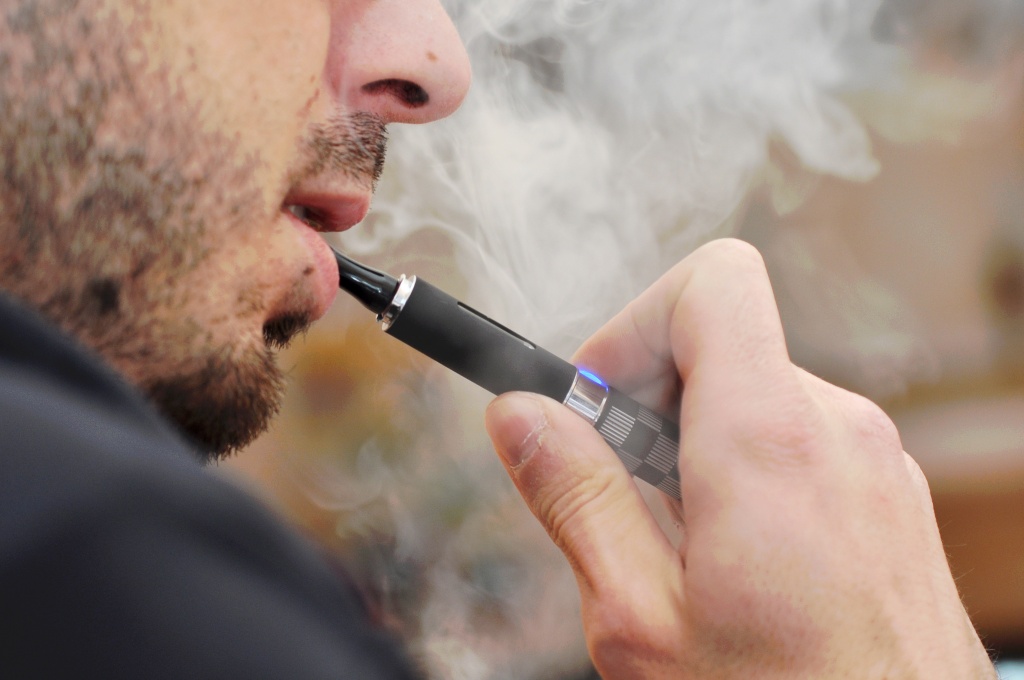
Ghost Carts and other disposable vapes may look similar at first glance, but the products can differ considerably in formulation, device design, intended use, labeling, and legal requirements. The name Ghost Carts can also refer to different products depending on the manufacturer and market, so consumers should avoid assuming that every product carrying the name has the same contents.
For beginners, comparing the important characteristics can make it easier to understand what separates one disposable vape from another. The most important factors include ingredients, device construction, concentration, testing, manufacturer transparency, and product source.
What Are Ghost Carts
Ghost Carts is a term associated with certain cartridge and disposable vape products. Depending on the specific product, the device may contain nicotine, cannabinoids, or another formulation.
A disposable vape generally combines a battery, heating element, reservoir, and mouthpiece into a single device. Cartridge systems can differ because the cartridge and battery may be separate components.
Because the name Ghost Carts does not establish a universal formulation, checking the exact product information is essential.
Point One Product Formulation
One of the biggest differences between vape products is what they contain.
Some disposable vapes are designed around nicotine liquids. Other products may contain cannabinoids or hemp derived compounds. These formulations can have very different effects and regulatory requirements.
Consumers should read the ingredient information carefully instead of judging a product by its branding or flavor.
Point Two Device Design
Ghost branded products and other disposable vapes can use different internal designs.
Some devices activate automatically when the user draws from the mouthpiece. Others may use a button or another activation mechanism.
Battery capacity, heating technology, airflow design, and reservoir construction can also vary between manufacturers.
These engineering differences can affect how a device operates, but they do not necessarily indicate that one product is safer than another.
Point Three Disposable Design
A major characteristic of disposable vapes is their all in one construction.
The battery and vaping components are generally integrated into one device. This can make the product simpler to use than systems requiring separate components.
However, disposable does not mean risk free. Battery safety, ingredient quality, manufacturing standards, and product authenticity remain important considerations.
Point Four Cartridge Systems
Some products marketed as Ghost Carts may use a cartridge format rather than an all in one disposable design.
With this type of product, the cartridge connects to a compatible battery. The battery provides power to the heating element inside the cartridge.
Compatibility is important because cartridges and batteries are not necessarily interchangeable across every device.
Point Five Concentration and Potency
Another important difference is the concentration of the active ingredient.
Nicotine products may display nicotine strength, while cannabinoid products can identify cannabinoid concentrations. These values can vary significantly between products.
Higher concentration does not automatically mean higher quality. Consumers should focus on accurate labeling and credible product information rather than simply choosing the strongest available option.
Point Six Flavor Selection
Disposable vapes can be sold in numerous flavor profiles depending on the manufacturer and local market.
Flavor can influence personal preference, but it does not establish product quality or safety. Two products with similar flavor descriptions can contain completely different formulations.
Consumers should therefore consider the ingredients separately from the advertised flavor. Readers looking for information about Ghost carts can explore the available details and product selections.
Point Seven Laboratory Testing
Laboratory testing can be an important distinction between products.
For cannabinoid products, credible testing may provide information about cannabinoid content and certain contaminants. Testing documentation is most useful when it clearly identifies the product and relevant production batch.
Consumers should be cautious when a manufacturer makes testing claims but does not provide meaningful information to support them.
Point Eight Manufacturer Transparency
A transparent manufacturer should provide useful information about its products.
Important details can include the company identity, ingredients, concentration, batch information, warnings, and relevant testing documentation.
Products with vague labels or unclear origins deserve additional caution. Attractive packaging alone is not evidence of authenticity.
Point Nine Product Authenticity
Counterfeit vape products can imitate legitimate packaging and branding.
A counterfeit device may contain different ingredients from those advertised, making product verification particularly important.
Consumers should look for consistent packaging, manufacturer information, batch details, and appropriate testing information. Purchasing through legitimate channels where these products are legally permitted can also reduce the risk of counterfeit products.
Point Ten Legal Differences
The legal status of a vape product depends on its formulation and location.
Nicotine products can be subject to age restrictions, labeling requirements, and other regulations. Cannabis and cannabinoid products may be governed by different rules.
A product that is legal in one jurisdiction may be restricted or prohibited in another. Consumers should always check the laws that apply to their location.
Point Eleven Battery Characteristics
Battery capacity can vary between disposable vape devices.
A larger battery may allow a device to operate for a longer period, while smaller devices may have a more compact physical design.
Consumers should never modify, puncture, dismantle, or attempt to repair a vape battery. If a device becomes swollen, damaged, unusually hot, or otherwise abnormal, it should not be used.
Point Twelve Portability
Portability is one of the practical characteristics shared by many disposable vapes.
Their compact construction can make them easier to carry than larger vaping systems. Ghost related products may also use compact designs depending on the specific manufacturer.
Portability is a convenience feature rather than a safety benefit.
Point Thirteen Product Quality
Quality depends on more than branding.
Manufacturing standards, ingredient accuracy, device construction, laboratory testing, packaging, and storage conditions can all influence product quality.
A product with detailed and verifiable information is generally easier for consumers to evaluate than one with vague claims.
Point Fourteen Health Considerations
Disposable vapes should not be considered completely harmless.
Depending on the formulation, the aerosol may contain nicotine, cannabinoids, flavoring substances, carrier ingredients, and other compounds.
Nicotine is addictive, while psychoactive cannabinoids can affect coordination, judgment, and reaction time. People should not drive or operate machinery while impaired by cannabinoid products.
Point Fifteen Storage and Handling
Storage is another factor that can differ depending on the product.
Vape devices should generally be kept according to manufacturer recommendations and protected from excessive heat and direct sunlight.
They should also be stored away from children and pets. A leaking or damaged product should not be used.
Ghost Carts and Other Disposable Vapes Compared
The most useful way to understand the difference is to look beyond the product name.
Ghost Carts may differ from other disposable vapes in formulation, cartridge design, branding, manufacturer, concentration, testing practices, and legal status. Meanwhile, other disposable vapes can range from basic nicotine products to specialized cannabinoid devices.
There is no universal feature that makes every Ghost Cart better or worse than every other disposable vape. The specific product matters more than the category name.
Frequently Asked Questions
Are Ghost Carts the same as disposable vapes
Not necessarily. Ghost Carts can refer to different cartridge or disposable products, while disposable vape is a broader category describing the device format.
What is the biggest difference between Ghost Carts and other disposable vapes
The biggest differences can involve the formulation, manufacturer, device design, concentration, and intended market. The exact product needs to be examined to make an accurate comparison.
Do all Ghost Carts contain the same ingredients
No. Products with similar branding can have different formulations. Always check the specific product label.
Are all disposable vapes nicotine products
No. Depending on the market, disposable devices may contain nicotine or other formulations, including certain cannabinoid products.
Does higher potency mean better quality
No. Potency and quality are separate characteristics. Accurate labeling, manufacturing standards, testing, and product transparency are more meaningful factors.
How can I check whether a product is authentic
Look for clear manufacturer information, complete labeling, batch information, appropriate packaging, and credible testing documentation where applicable.
Are Ghost Carts legal everywhere
No. Regulations vary by location and depend on the specific formulation. Consumers should check applicable local laws before purchasing or using these products.
Can cannabinoid disposable vapes cause impairment
Yes. Some cannabinoid formulations can cause psychoactive effects and impairment. Driving or operating machinery while impaired should be avoided.
Final Thoughts
Ghost Carts and other disposable vapes can appear similar, but important differences may exist in their ingredients, device design, concentration, manufacturer, testing, and legal status.
The safest approach is to evaluate the exact product rather than relying on its name or appearance. Check the formulation, manufacturer information, laboratory documentation where applicable, packaging, device condition, and local regulations.
Understanding these differences allows consumers to make more informed decisions and recognize why two products that look similar can have very different characteristics.