

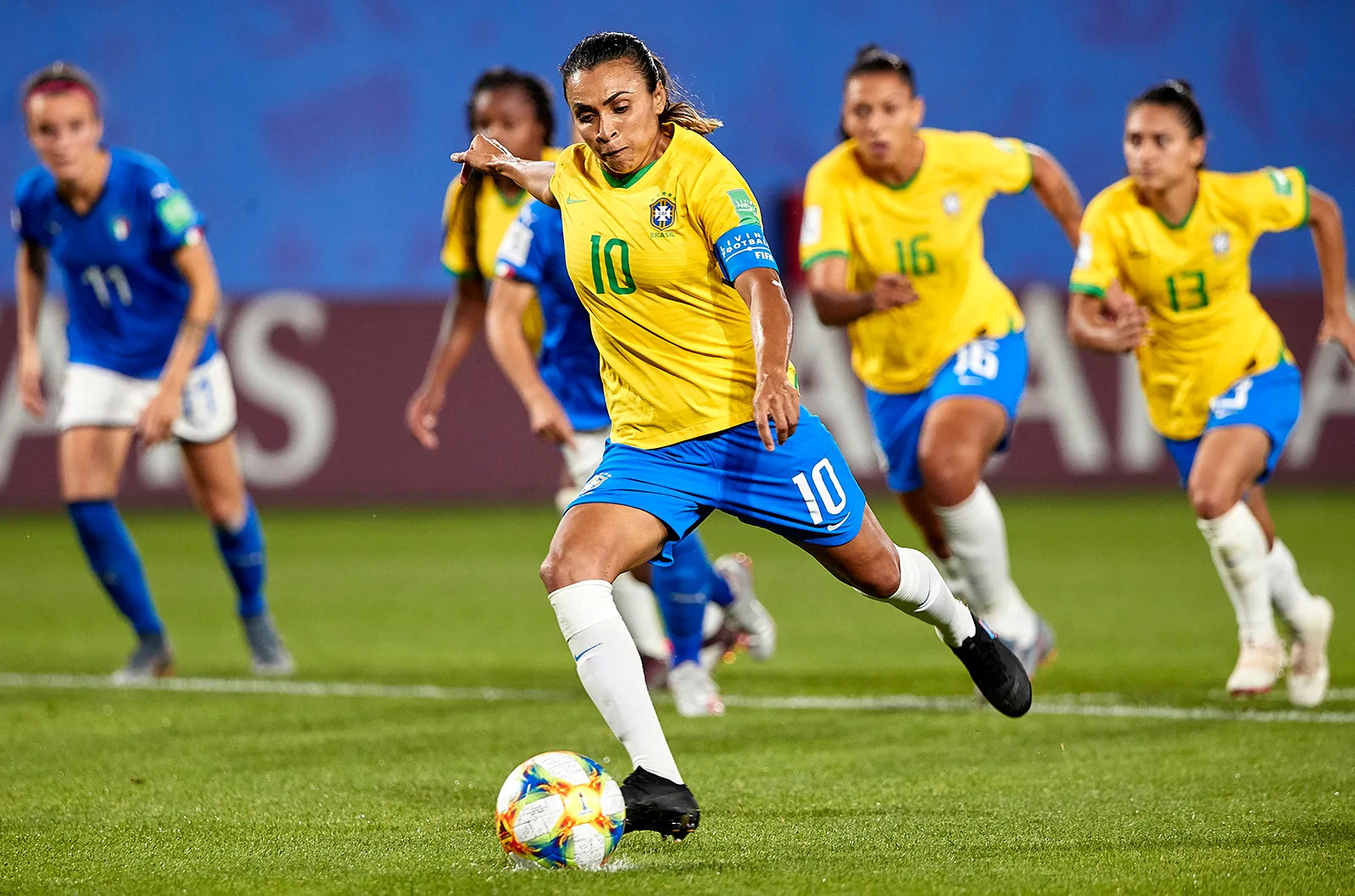
Sports in Brazil are more than just games—they are a reflection of national identity, social engagement, and international prestige. From football to volleyball, athletics, and water sports, Brazil has produced world-class athletes and hosted global sporting events. Behind this success lies a complex framework of governance and policy that shapes how sports are funded, regulated, and developed across the country. Understanding Brazil’s approach to sports governance in 2025 provides insight into the nation’s sustained athletic achievements and strategic planning.
Structure of Sports Governance
Brazil’s sports governance is organized across federal, state, and local levels, integrating government bodies, federations, and clubs.
Details:
- Ministry of Citizenship (MEC & Secretariat of Sports): Oversees national sports policy, funding allocation, and compliance with international standards.
- National Sports Federations: Govern specific sports such as the Brazilian Football Confederation (CBF), Brazilian Volleyball Confederation (CBV), and Brazilian Basketball Confederation (CBB). They manage competitions, player registration, and international representation.
- State and Municipal Authorities: Local sports councils implement regional programs, manage facilities, and support community-level initiatives.
- Clubs and Academies: Responsible for talent development, grassroots programs, and professional league participation.
Impact:
- Ensures coordination between policy-making and on-the-ground sports development.
- Provides structured pathways for athletes from grassroots to elite levels.
Sports Policies and Strategic Initiatives
Brazil has developed policies aimed at promoting athletic participation, enhancing international competitiveness, and fostering social inclusion through sports.
Key Policies:
- National Sports Plan:
- Establishes long-term objectives for athlete development, infrastructure investment, and international competition.
- Prioritizes Olympic and Paralympic sports to maintain Brazil’s global standing.
- Grassroots and Youth Programs:
- Federal and state funding supports schools, community centers, and local clubs.
- Programs focus on talent identification, social inclusion, and health promotion.
- High-Performance Centers:
- Facilities like the Brazilian Olympic Training Center provide state-of-the-art coaching, sports science, and recovery programs.
- Athletes across disciplines benefit from specialized training, analytics, and medical support.
- Anti-Doping and Ethical Regulations:
- Policies aligned with WADA standards ensure fair play and athlete integrity.
- Federations enforce compliance and education programs for athletes and coaches.
- International Collaboration:
- Partnerships with global federations and hosting of international tournaments strengthen Brazil’s influence and exposure.
Advantages:
- Structured development pathways for athletes.
- Promotes Brazil as a hub for international sporting events.
- Encourages participation and healthy lifestyles at the community level.
Governance Challenges
Despite successes, Brazilian sports governance faces several challenges:
- Financial Inequality: Larger federations and popular sports receive more funding, while smaller disciplines struggle.
- Infrastructure Gaps: Some regions lack modern facilities, limiting access to training and competitions.
- Transparency and Accountability: Instances of mismanagement and corruption have historically affected funding and program effectiveness.
- Talent Retention: Many elite athletes move abroad for better training or professional contracts, impacting domestic leagues.
Opportunities:
- Improved financial oversight and digital tracking of fund allocation.
- Expansion of sports infrastructure in underserved regions.
- Enhanced collaboration between government, private sponsors, and NGOs.
- Development of incentives to retain talent within domestic leagues.
Role of Federations and Clubs
Federations and clubs play a central role in implementing sports policy and governance:
Details:
- Federations: Regulate competitions, certify coaches, enforce safety standards, and manage international representation.
- Clubs and Academies: Develop talent, run community outreach programs, and maintain facilities.
- Public-Private Partnerships: Many federations collaborate with corporate sponsors to fund programs and events.
Impact:
- Ensures athletes receive high-quality training and competitive opportunities.
- Facilitates innovation and modernization in coaching, sports science, and facilities.
International Events and Policy Alignment
Brazil’s experience hosting mega-events such as the 2014 FIFA World Cup, 2016 Olympic Games, and various international tournaments has influenced policy:
Details:
- Event Legacy Programs: Investments in stadiums, training centers, and public sports infrastructure benefit long-term athletic development.
- Policy Modernization: Hosting global events prompted reforms in logistics, governance transparency, and safety protocols.
- International Standards: Policies are aligned with global federations to ensure eligibility for hosting and competition participation.
Advantages:
- Enhances Brazil’s reputation as a global sports destination.
- Boosts local economies and tourism.
- Provides world-class experience for athletes and administrators.
Future Prospects
Looking ahead, Brazil aims to strengthen sports governance through:
- Digital Transformation: Utilizing technology for athlete tracking, performance analytics, and transparent fund management.
- Inclusive Policies: Expanding access for women, disabled athletes, and underserved communities.
- Sustainability: Integrating eco-friendly practices in stadiums, events, and training facilities.
- Talent Retention and Development: Creating incentives for athletes to compete domestically while preparing for international stages.
Impact:
- Strengthened national and international competitiveness.
- Increased participation and public engagement.
- Long-term sustainability of sports infrastructure and programs.
Conclusion
Sports governance and policy in Brazil are critical to the nation’s athletic success, social development, and international prestige. The country has built a structured framework encompassing federal oversight, federations, clubs, and grassroots programs, ensuring a steady pipeline of talent and access to resources.
While challenges such as financial inequality, infrastructure gaps, and talent migration persist, Brazil’s strategic initiatives, high-performance centers, and policy modernization position the country for continued excellence.
In 2025, effective sports governance ensures that Brazil not only produces world-class athletes but also leverages sports as a tool for social inclusion, national pride, and international influence.